Learn
Guides
Short, practical explanations of market structure, zones, sessions and risk – and how to read them on your chart.
Start with the first guide Or pick a topic below.
-
Open topic
Basics
 Part 1
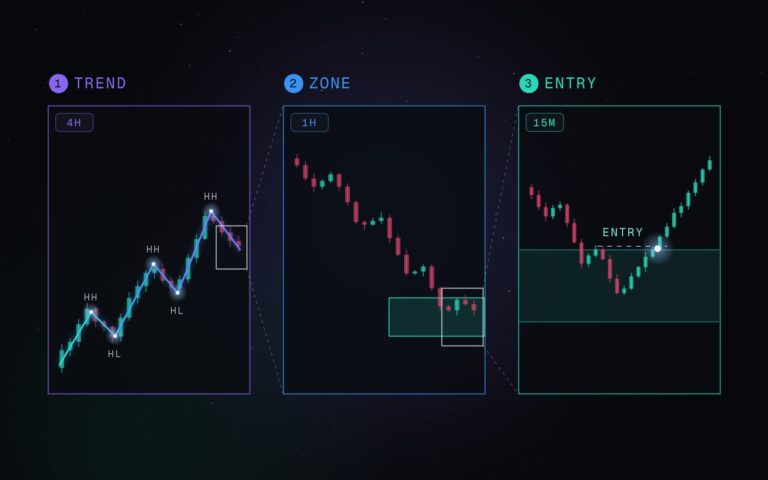
Multi-timeframe analysis: from the big picture to the entry
A simple top-down routine with three timeframes – direction, zone and entry – and which timeframe combinations fit together.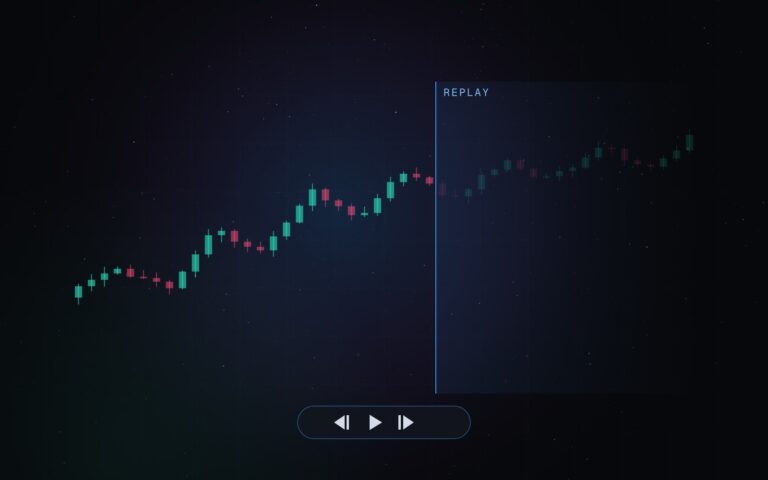 Part 2
Backtesting with Bar Replay: test your setup before you risk money
A simple routine for manual backtesting in TradingView: clear rules, a fair sample, the numbers that matter and how to avoid looking ahead.
-
Open topic
Market structure
 Part 1
How to read market structure: swings, breaks and changes of character
Higher highs, lower lows, BOS and CHoCH explained in plain words – and the mistakes that make structure look clearer than it is.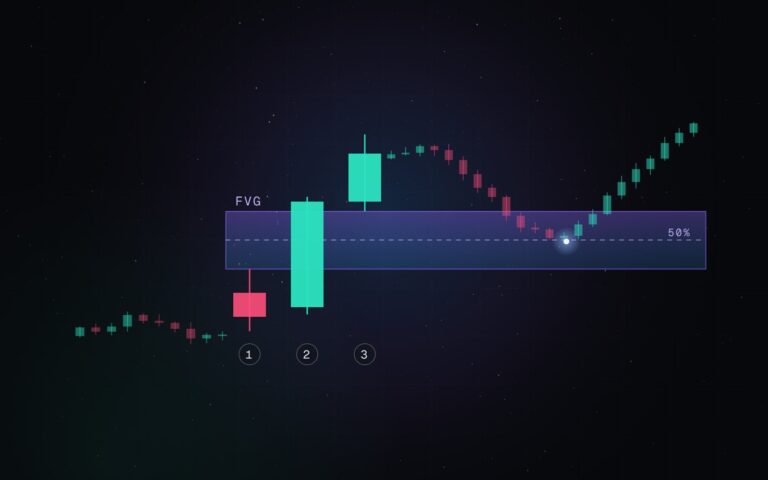 Part 2
Fair value gaps: spotting imbalance in three candles
How a fair value gap forms, how to mark it correctly and why price so often comes back to it.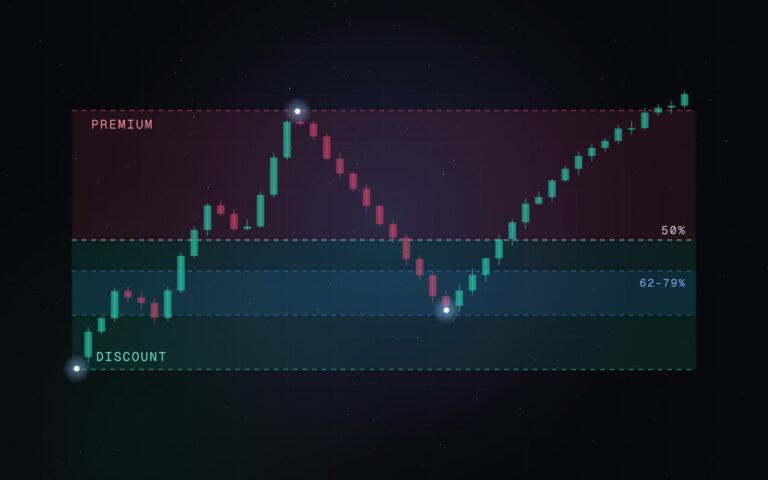 Part 3
Premium and discount: buying low within the range
How to split a price range at the 50 % level, why traders buy in discount and sell in premium, and where the optimal trade entry zone lies.
-
Open topic
Support & resistance
 Part 1
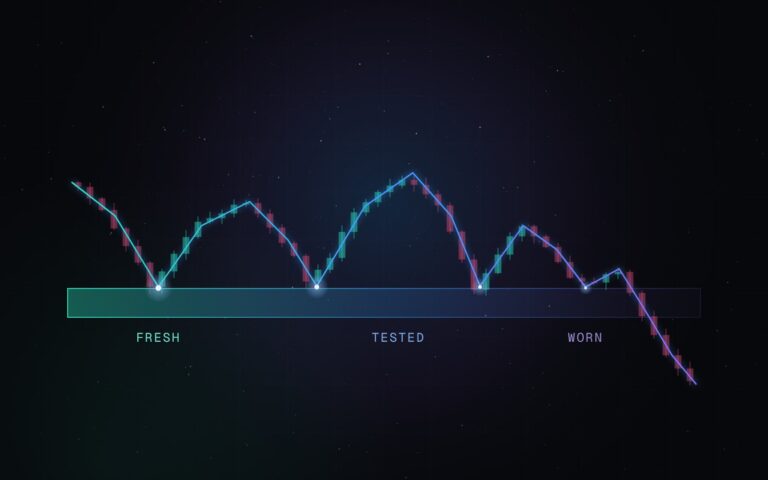
Support and resistance zones – and why they wear out
Why zones work better than single lines, what happens each time price comes back, and a simple way to rate zones as fresh, tested or worn.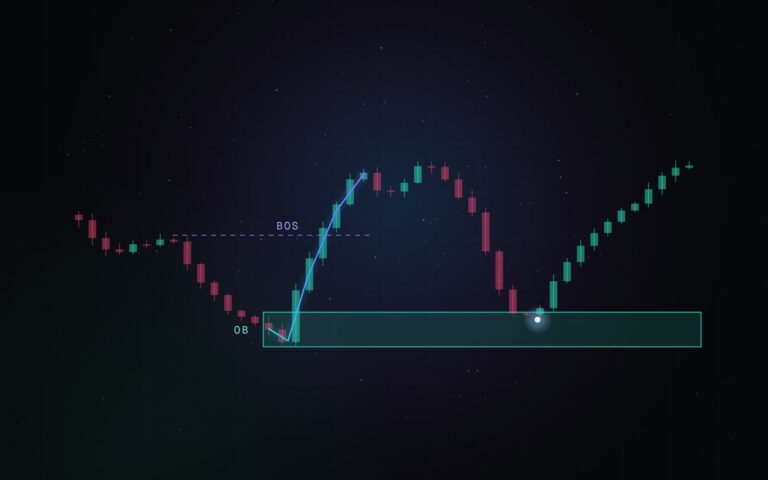 Part 2
Order blocks: where strong moves start
What an order block is, three checks for a valid one, and how traders combine it with market structure to plan entries.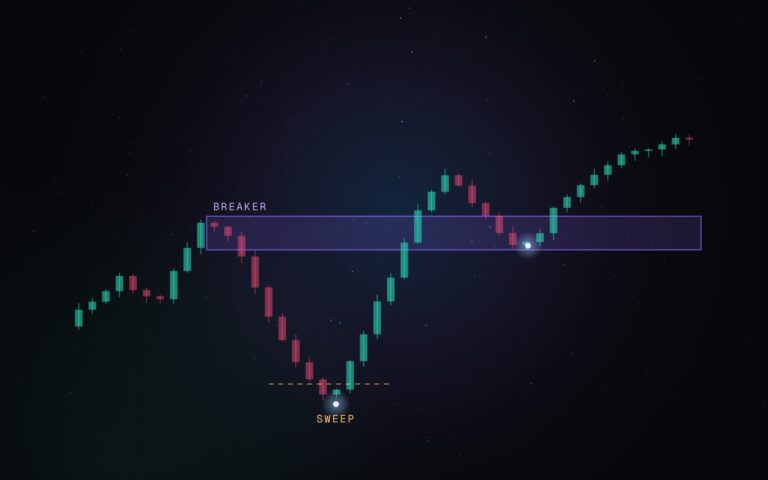 Part 3
Breaker blocks: when an order block flips sides
What a breaker block is, how it forms after a liquidity sweep and a break of structure, and how traders use the retest.
-
Open topic
Sessions
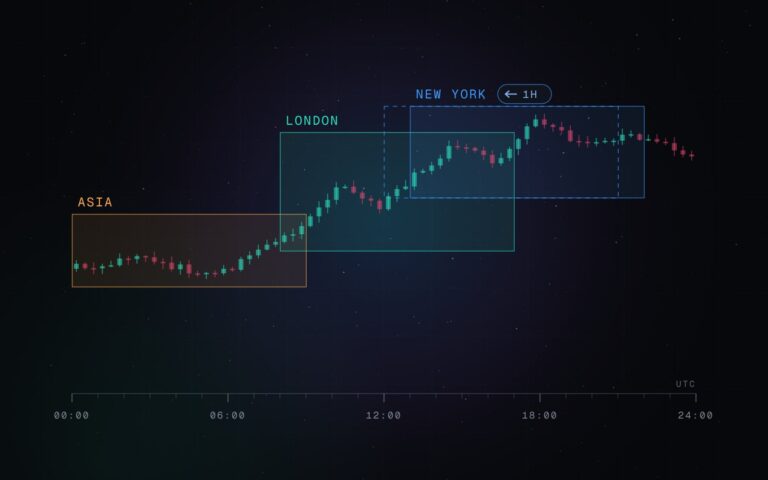 Part 1
Trading sessions and daylight saving time: why fixed UTC times drift
Asia, London and New York explained – and why the US and Europe switching clocks on different dates moves your session boxes for weeks every year.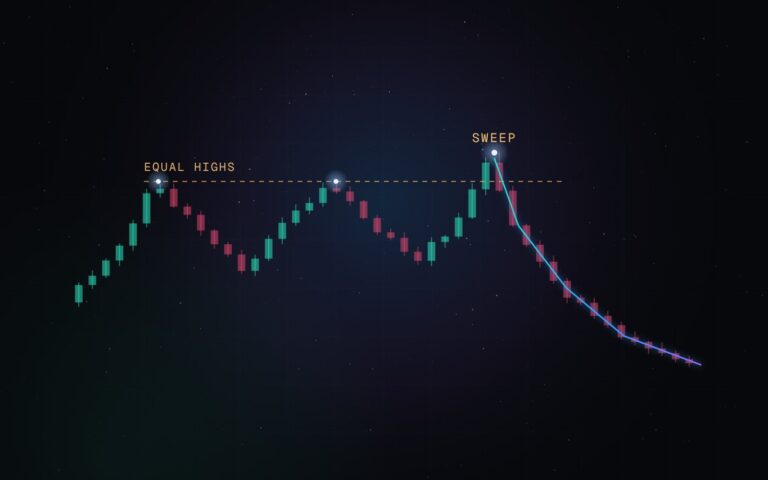 Part 2
Liquidity sweeps: why price takes the highs before it turns
Equal highs, session highs and the previous day’s levels attract orders. How to tell a sweep from a real break – once the candle has closed.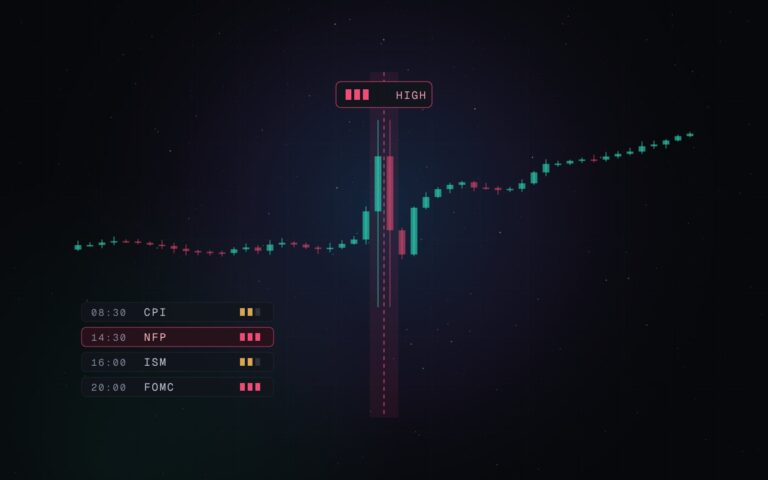 Part 3
The economic calendar: trading around NFP, CPI and rate decisions
Which releases move the markets most, when they come out, what happens to spreads – and three ways to handle news in your trading.
-
Open topic
Risk management
 Part 1
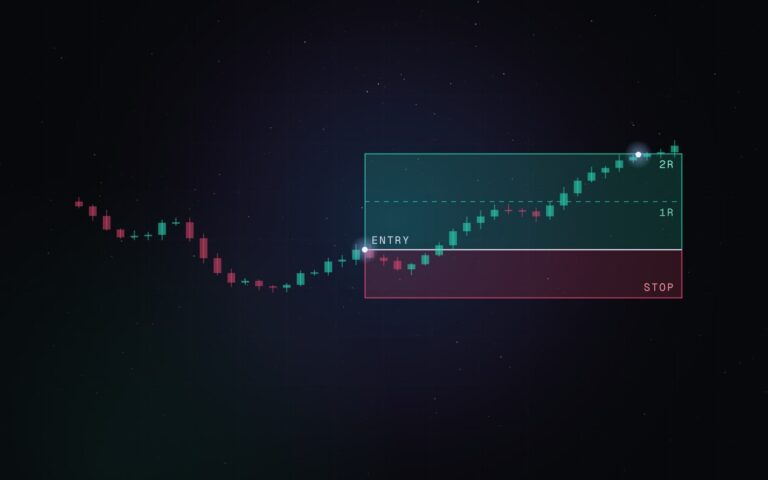
Risk management: position size, stop loss and the 1 % rule
The part of trading that keeps you in the game: sizing a position from your stop, why risk-reward matters and which limits protect your account. Part 2
Trading psychology: discipline, routines and your journal
FOMO, revenge trading and overtrading – and the simple routines and journal habits that keep your trading calm and consistent.