Fair value gaps: spotting imbalance in three candles
How a fair value gap forms, how to mark it correctly and why price so often comes back to it.
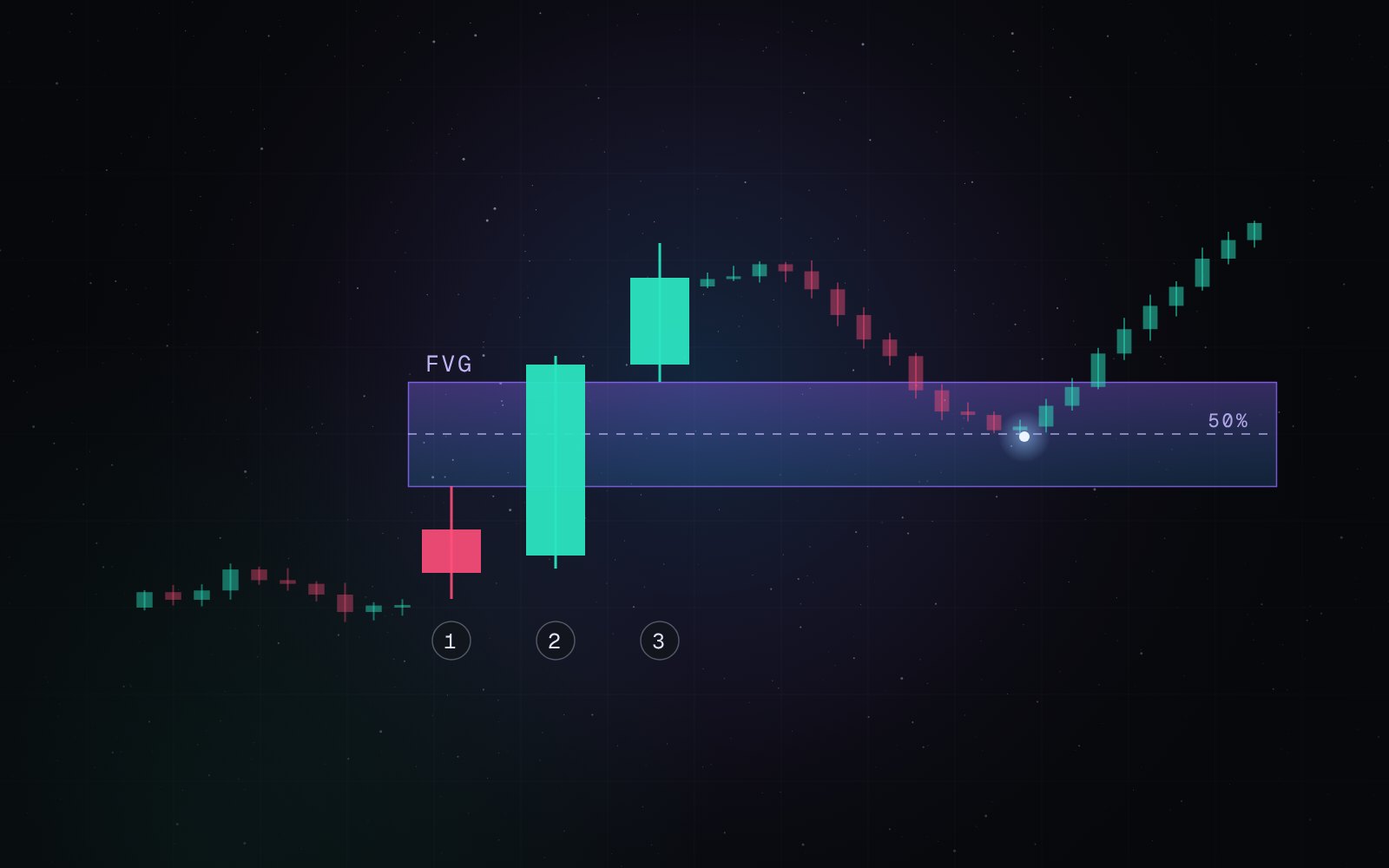
A fair value gap – also called an imbalance – shows that price moved so fast that one side of the market was barely traded. These gaps are easy to see on any chart and are among the most watched areas in price action trading.
How a fair value gap forms
You need three candles. In a bullish fair value gap, the low of the third candle stays above the high of the first candle. The space between them – covered only by the large middle candle – is the gap. In a bearish fair value gap, the high of the third candle stays below the low of the first.
Marking it correctly
- Bullish: draw from the high of candle one to the low of candle three. Bearish: from the low of candle one to the high of candle three.
- Mark the gap once candle three has closed.
- The larger the middle candle compared with the candles around it, the more meaningful the gap.
- Gaps on higher timeframes carry more weight than gaps on one-minute charts.
Why price comes back
Inside the gap, trading was one-sided. Price often returns to rebalance that area, partly or completely. Many traders pay special attention to the middle of the gap, the 50 % level, as a reaction point.
Fair value gap plus order block
Strong moves out of an order block often leave a fair value gap behind. When both line up – a fresh order block with a gap right next to it, in the direction of the higher timeframe – many traders see one of the cleanest setups on the chart.
Partly filled, filled, inverted
- Partly filled: price reached into the gap but did not close through it.
- Filled: price traded through the whole gap.
- Inverted: a gap that price closed through can later act as support or resistance from the other side.
Quick checklist
- Does the gap point in the direction of the higher timeframe?
- Was it created by a move that broke structure?
- Is it still untouched?
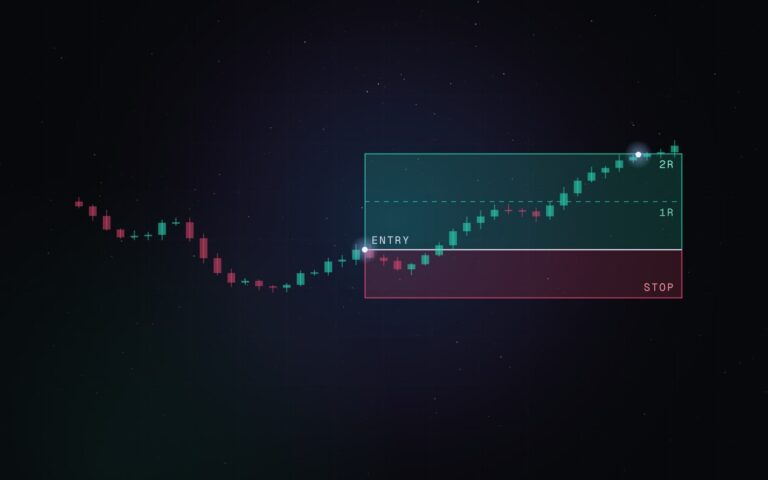
- Entry at the edge or at the 50 % level, stop beyond the gap or its origin.
Educational content. It is not investment advice and not a recommendation to buy or sell. Risk disclosure